
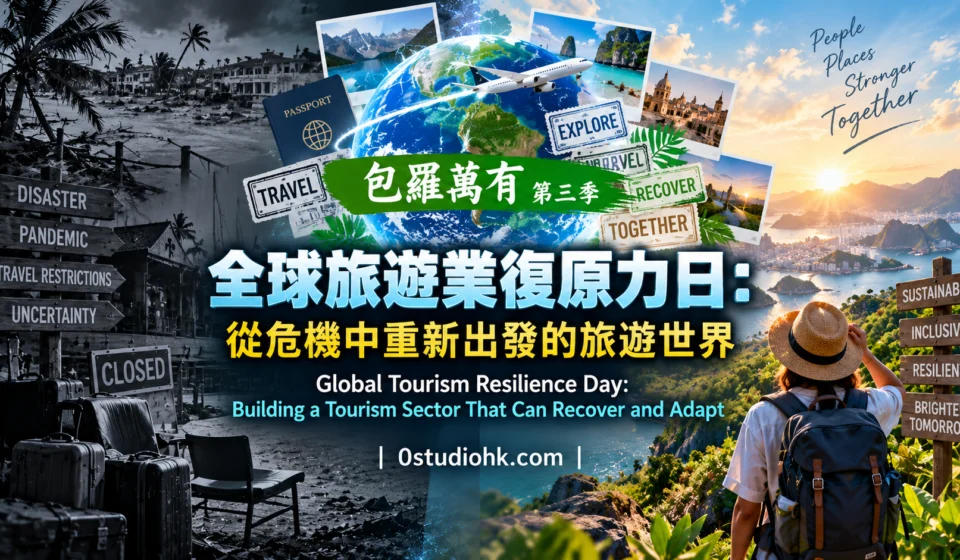
每年2月17日是全球旅遊業復原力日,提醒世界旅遊業面對危機時,需要更強的適應、復原與轉型能力。
Every February 17, Global Tourism Resilience Day highlights the need for tourism to prepare for disruption, recover from shocks and build a more sustainable future.
中文版本
每年2月17日是「全球旅遊業復原力日」(Global Tourism Resilience Day),由聯合國大會根據第77/269號決議宣布設立,並自2023年起每年舉行。這個國際日的核心,是提醒世界各地認識旅遊業面對危機時的脆弱性,同時思考如何建立更具復原能力的旅遊體系,使旅遊目的地、企業、從業員以及依賴旅遊收入的社區,在面對突發事件後不只是重新開始,更可以從危機中改善和轉型。 旅遊業表面上是一個讓人放鬆、消費和探索世界的產業,但在很多國家和地區,它其實是經濟和社會生活的重要支柱。聯合國指出,對不少發展中國家、最不發達國家、小島嶼發展中國家、非洲國家及中等收入國家而言,旅遊業可以提供收入、外匯、稅收和就業機會;在部分小島國及發展中國家,旅遊業甚至佔國內生產總值超過20%。 因此,當旅遊業受到重大衝擊時,受到影響的並不只是航空公司、酒店或旅行社。餐廳、零售商、導遊、交通服務、景點、文化工作者、農民、手工藝人以及大量依賴旅客消費的小型企業,都可能受到連鎖影響。對一個高度依賴旅遊的地方而言,旅客突然減少,可能意味著整個社區的收入來源同時收縮。新冠疫情就是近年最明顯的例子。當國際邊境關閉、航班大幅減少、旅遊限制出現時,全球旅遊活動幾乎在短時間內陷入停頓。聯合國資料顯示,旅遊業的直接經濟貢獻由疫情前約3.5萬億美元,大幅下降至2020年的約1.6萬億美元,2021年回升至約1.9萬億美元,但仍未回到疫情前水平。 疫情讓世界看到,旅遊業雖然具有相當強的復原能力,但同時也容易受到全球性危機影響。「復原力」因此不只是危機發生後等待旅客回來,而是要在危機發生之前做好準備,在危機期間維持基本運作,並在危機過後有能力重新調整。聯合國指出,全球旅遊業復原力日特別強調要發展具復原力的旅遊模式,以應對各種衝擊,並鼓勵會員國制定在旅遊活動受到破壞後的復甦策略,包括公私營合作以及旅遊活動和產品的多元化。 旅遊業面對的危機也遠遠不只是疫情。自然災害、氣候變化、生物多樣性流失、糧食安全問題、政治不穩定、武裝衝突、恐怖襲擊風險、網絡犯罪、網絡安全問題、經濟衰退以及公共衛生危機,都可能改變旅客對目的地的選擇,並直接影響旅遊企業的經營。2023年提出全球旅遊業復原力日的相關討論中,這些因素都被視為可能造成旅遊業重大震盪的風險。 氣候變化尤其值得注意。旅遊業與自然環境有密切關係,海灘、森林、山脈、珊瑚礁、野生動物和自然景觀都是許多旅遊目的地的重要資源。如果環境受到破壞,旅遊本身也會失去吸引力。因此,可持續旅遊不只是環境保護議題,同時也是旅遊業長期復原力的一部分。聯合國指出,可持續旅遊包括生態旅遊,能夠促進經濟增長、減少貧困、創造就業、支持地方文化,以及推動自然資源和生物多樣性的保護。 這也意味著旅遊業未來不能只追求「有多少人來」,還需要思考「旅客來了之後留下甚麼」。如果大量旅客為一個地方帶來收入,但同時造成過度開發、垃圾增加、水資源壓力、文化遺產損耗或居民生活受到影響,那麼這種旅遊模式未必能夠長期維持。相反,如果旅遊收益能夠回到社區,支持當地居民、文化傳統、自然保育和小型企業,旅遊業便有機會成為地方發展和復原力的一部分。農村旅遊便是一個值得關注的方向。旅遊可以把城市旅客帶到農村,讓當地農產品、傳統文化、手工藝、自然環境和地方故事得到新的經濟價值。聯合國及聯合國旅遊組織近年亦持續推動以旅遊支持農村發展的工作,強調保護文化與自然遺產、改善社區福祉以及建立可持續的地方經濟。 旅遊業復原力亦與「多元化」有關。一個只依靠單一客源市場、單一旅遊產品或單一季節的目的地,遇到外部衝擊時可能更加脆弱。如果一個地方除了國際旅客之外,也能發展本地旅遊、文化旅遊、自然旅遊、健康旅遊、商務旅遊、教育旅遊或其他形式的旅遊產品,便可能有更多方式分散風險。聯合國在全球旅遊業復原力日的決議中,也明確提出透過多元化活動和產品,以及公私營合作,加強受到干擾後的復甦能力。 科技同樣正在改變旅遊業的復原方式。網上預訂、數碼支付、即時資訊、電子導覽、人工智能、數據分析以及社交媒體,都可以讓旅遊企業更快了解市場變化,也可以讓目的地與旅客保持聯繫。在危機期間,數碼工具更可能成為維持旅遊資訊流通的重要渠道。到了人工智能逐漸普及的時代,旅遊業還可以利用AI分析旅客需求、協助規劃行程、處理客服工作以及改善營運效率。不過,科技本身並不能消除風險。真正重要的是旅遊業能否把科技與人的判斷、社區需要、環境保護以及長遠規劃結合起來。復原力最終並不是一項單一技術,而是一套整體能力。從政府制定危機應變政策,到企業建立財務和營運緩衝,再到社區參與旅遊規劃,每一個環節都會影響一個目的地面對危機時的表現。全球旅遊業復原力日因此並不是單純慶祝旅客重新出發,而是提醒世界:下一次危機一定可能以不同形式出現。沒有人能準確預測下一場疫情、自然災害、經濟危機或其他全球性衝擊會在甚麼時候發生,但社會可以選擇現在是否做好準備。2027年更將成為「國際可持續及復原旅遊年」,聯合國大會在2024年作出相關決定,鼓勵各方利用這一年推動國際合作及各層面的行動,以可持續和具復原力的旅遊促進可持續發展。 從一張機票、一間酒店,到一個依靠旅客生存的小鎮,旅遊業背後其實連結着大量人的生活。旅遊業復原力真正關心的,也不只是如何令旅客再次出發,而是如何讓整個旅遊生態在面對變化時仍然能夠運作、調整和成長。當旅遊業更加重視環境、地方社區、工作機會、文化保存、科技應用和風險管理,旅遊便不只是消費世界的一種方式,也可以成為支持地方經濟和社會發展的力量。全球旅遊業復原力日最值得記住的訊息,也許就是「準備比等待更重要」。危機過後重新站起來固然重要,但如果能夠在平靜時期建立更靈活、更分散、更可持續的旅遊體系,下一次面對風浪時,目的地便有更多選擇。旅遊的意義從來不只是從一個地方走到另一個地方,它還連結文化、自然、經濟和人與人之間的交流。當世界繼續面對氣候變化、公共衛生、科技轉型和各種不確定性,建立具有復原力的旅遊業,也就是為下一次旅行、下一個社區,以及下一代留下更多重新出發的可能。
English Version
Global Tourism Resilience Day is observed every February 17 and was proclaimed by the United Nations General Assembly through resolution A/RES/77/269. The day was established in 2023 to draw attention to the vulnerability of tourism to emergencies and to encourage stronger, more adaptable tourism systems capable of recovering from major disruptions. Tourism is often associated with holidays, sightseeing and leisure, but its economic and social importance extends far beyond the experience of the traveller. In many developing countries, least developed countries, small island developing states, African countries and middle-income economies, tourism provides income, foreign exchange, tax revenue and employment. In some small island and developing economies, tourism can account for more than 20 percent of gross domestic product. This means that when tourism suffers a major shock, the consequences reach far beyond airlines, hotels and travel agencies. Restaurants, retailers, tour guides, transport providers, attractions, cultural workers, farmers, craftspeople and small businesses that depend on visitor spending can all be affected. In destinations heavily dependent on tourism, a sudden decline in visitors can quickly become a wider economic and social problem. The COVID-19 pandemic provided one of the clearest demonstrations of this vulnerability. International borders closed, flights were reduced and travel restrictions brought tourism activity to an extraordinary halt. According to the United Nations, tourism’s direct economic contribution fell from around $3.5 trillion before the pandemic to approximately $1.6 trillion in 2020. It recovered to about $1.9 trillion in 2021, but remained below the pre-pandemic level. The experience demonstrated an important distinction between recovery and resilience. Recovery means returning after a crisis. Resilience goes further: it means preparing before disruption, maintaining essential capacity during a crisis, adapting when circumstances change and emerging with stronger systems afterwards. The United Nations therefore describes Global Tourism Resilience Day as a call to foster resilient tourism development capable of dealing with shocks. Member States are encouraged to develop national strategies for rehabilitation after disruptions, including public-private cooperation and the diversification of tourism activities and products. The shocks facing tourism are not limited to pandemics. Natural disasters, climate change, biodiversity loss, food insecurity, political instability, armed conflict, the threat of terrorist attacks, cybercrime, cybersecurity problems and economic recessions can all influence tourism demand and the ability of businesses to operate. These risks were highlighted in discussions surrounding the establishment of Global Tourism Resilience Day, particularly because tourism is highly sensitive to changes in perceptions of safety, accessibility and destination attractiveness. Climate change presents a particularly important long-term challenge. Tourism depends heavily on natural environments, including beaches, forests, mountains, coral reefs, wildlife and landscapes. When these resources are degraded, the tourism economy can also lose part of the attraction on which it depends. Sustainable tourism is therefore not simply an environmental concept; it is also part of long-term tourism resilience. The United Nations notes that sustainable tourism, including ecotourism, can support economic growth, poverty reduction, employment, local culture and the conservation of biodiversity and natural resources. This changes the question from simply asking how many visitors a destination can attract to asking what remains after those visitors leave. A tourism model that generates revenue while creating excessive environmental pressure, waste, resource consumption or damage to cultural heritage may be difficult to sustain. A model that channels benefits towards local communities, small businesses, cultural traditions and conservation can create a stronger foundation for the future. Rural tourism is one example of this approach. Tourism can create new economic opportunities for rural communities by connecting visitors with local food, traditional knowledge, crafts, landscapes and cultural experiences. UN Tourism has continued to promote tourism as a tool for rural development, with an emphasis on cultural and natural heritage, community wellbeing and sustainable local economies. Diversification is another important element of resilience. A destination that depends heavily on a single international market, one type of tourism product or one particular season may face greater difficulties when external conditions change. Developing domestic tourism alongside international markets, or combining cultural, nature, wellness, business, educational and other forms of tourism, can create additional sources of demand. The United Nations resolution establishing Global Tourism Resilience Day specifically encourages diversification of activities and products as part of strategies for recovery after disruption. Technology is also changing how tourism prepares for and responds to shocks. Online booking, digital payments, real-time information, electronic guides, data analysis, social media and artificial intelligence can help tourism organizations understand changing demand and maintain communication with travellers. During a crisis, digital platforms can also provide an important channel for accurate and timely information. As artificial intelligence becomes more widely used, tourism businesses may apply it to customer service, itinerary planning, demand analysis and operational management. Yet technology by itself cannot eliminate vulnerability. Its value depends on how it is combined with human judgement, community needs, environmental responsibility and long-term planning. Resilience is ultimately not a single technology or emergency plan. It is a system of capabilities. Governments need effective crisis policies, businesses need financial and operational flexibility, workers need support, and communities need a meaningful role in decisions affecting tourism development. Each part of this system contributes to how well a destination can respond when conditions change. Global Tourism Resilience Day therefore goes beyond celebrating the return of travellers after a crisis. It asks a more fundamental question: how can the tourism sector be prepared before the next disruption arrives? No one can predict exactly when the next pandemic, natural disaster, economic crisis or major global disruption will occur. What can be decided is how much preparation takes place before it happens. In 2024, the United Nations General Assembly also proclaimed 2027 as the International Year of Sustainable and Resilient Tourism, encouraging international cooperation and action at different levels to promote sustainable and resilient tourism as a means of advancing sustainable development. Behind every flight, hotel, restaurant and attraction are people whose livelihoods may depend on tourism. The resilience of tourism is therefore not simply about getting travellers moving again. It is about ensuring that the wider tourism ecosystem can continue to function, adapt and improve when circumstances change. A resilient tourism sector considers the environment, local communities, employment, cultural heritage, technology, infrastructure, financial stability and risk management as connected parts of the same system. Tourism can then become more than a form of consumption. It can support local economies, encourage cultural exchange, create employment and contribute to environmental protection. The central message of Global Tourism Resilience Day may be simple: preparation matters. Recovering after a crisis is important, but building flexible, diversified and sustainable systems before a crisis occurs gives destinations more options when uncertainty arrives. Travel has always been about moving from one place to another, but tourism also connects people, cultures, economies and natural environments. As the world continues to face climate change, public-health risks, technological transformation and other uncertainties, strengthening tourism resilience means preserving the possibility of future journeys and future livelihoods. It means giving destinations the capacity not merely to survive the next crisis, but to adapt and find new ways forward. In that sense, Global Tourism Resilience Day is not only about tourism. It is about how communities prepare for an uncertain world, how economies recover from disruption, and how travel can continue to contribute to a more sustainable and inclusive future.
總結
全球旅遊業復原力日提醒我們,旅遊業的未來不只是恢復旅客數字,更要建立能面對疫情、氣候、經濟及其他危機的可持續、多元和具適應力體系。
Global Tourism Resilience Day highlights that tourism recovery is about more than restoring visitor numbers. A resilient future requires diversified markets, sustainable practices, stronger communities and the ability to adapt when global conditions change.
